There is a disorienting reality sitting inside most B2B marketing analytics dashboards right now. Content that ranks well, sometimes in position one, is generating less traffic than it used to. The content is not worse. The rankings have not dropped. But fewer buyers are clicking through to read the full page. This is zero-click search playing out in real time, and it is reshaping what organic visibility means for B2B brands.
Zero-click search refers to search interactions where the user gets a satisfying answer directly from the search results page, or increasingly from an AI-generated overview, without ever clicking through to any website. The user’s need was met. Your brand may have provided the information that met it. You just did not get the visit, the session, or the conversion event that your analytics platform would have recorded.
For most B2B marketing teams, this creates a genuine strategic tension. The assets that have historically justified content investment, traffic, time on page, form fills, are all downstream of the click. If the click is not happening at the same rate, the ROI story for organic content gets harder to tell. But here is the nuance most teams miss: zero-click does not mean zero value. It means the value is showing up differently.
Quick Takeaway
- Zero-click search is the pattern where users get answers directly from search results pages or AI overviews without clicking through to any website. Studies suggest over 60% of all searches now end without a click. For B2B brands, the right response is not to fight the trend by trying to withhold information. It is to restructure content and measurement to capture the brand value that zero-click interactions still generate, even when they do not produce a pageview.
What Zero-Click Search Actually Means for B2B
In a B2B context, zero-click most often surfaces in three forms. First, featured snippets answer a buyer’s question directly at the top of a search results page, pulling text from a website and displaying it without requiring the user to visit that site. Second, Google’s AI Overviews synthesize answers from multiple sources, often removing the need to click through to any individual result. Third, AI search tools like ChatGPT and Perplexity answer research questions with no traditional web traffic event at all.
In each case, the buyer’s research need is being met. What is changing is whether that need-fulfillment generates a website visit that your analytics can measure. The information exchange is happening. The attribution is not.
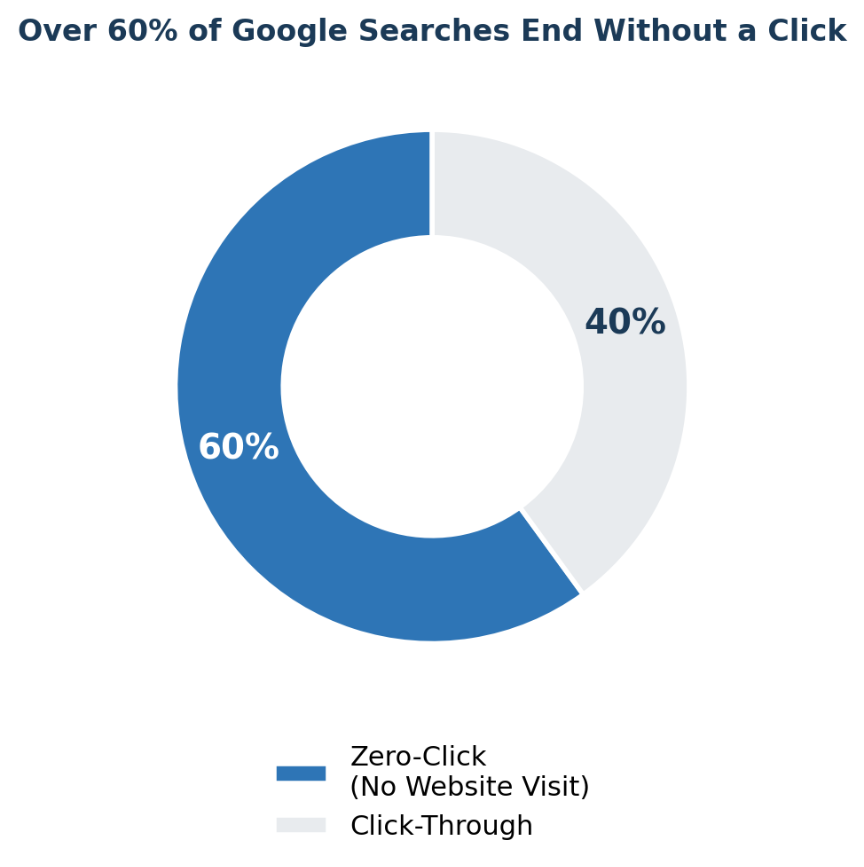
Figure 1: Where zero-click search interactions occur across the modern buyer research journey.
The Scale of the Zero-Click Problem
Research from SparkToro suggests that well over 60% of Google searches end without a click in 2026. That figure spans consumer and B2B searches combined, and the zero-click rate tends to be higher for informational queries, which are exactly the queries B2B content programs have historically targeted first.
For B2B specifically, the dynamic is slightly more complex. Buyers making complex, high-value purchase decisions typically do click through to read longer content once they move past initial research. Zero-click hits hardest at the top of the funnel, where buyers are still forming category understanding rather than evaluating specific vendors. That top-of-funnel invisibility is costly even when conversion-stage content still gets clicks, because buyers who never encounter your brand in their early research phase are unlikely to include you in their evaluation when they are ready to buy.
What Zero-Click Search Does and Does Not Take Away
Zero-click search does not eliminate the value of appearing in search results. Even when a buyer reads your featured snippet and does not click through, your brand name has appeared in a research interaction. That is brand exposure with intent-level relevance, which is more valuable than most display advertising impressions. The buyer may not visit your site today, but they saw your name attached to a credible answer at the exact moment they were looking for that answer.
What zero-click does take away is the easy attribution chain: keyword ranking leads to click, click leads to session, session leads to conversion event. Without the click, that chain breaks, and teams that measure content value purely by traffic and downstream conversion miss the brand exposure and recall value that zero-click content still generates.
Five Strategies for Staying Visible Without the Click
The right response to zero-click is not to stop optimizing for featured snippets and AI-visible content in an attempt to force clicks. Withholding useful information to drive traffic is a losing strategy in a world where a competitor or an AI will simply provide the answer you refused to give. These five strategies work with the zero-click reality rather than against it.
| Strategy | What It Involves | Where It Pays Off |
| 1. Featured snippet ownership | Structure content to answer questions directly and concisely enough to win the snippet | Brand name appears at position zero with informational authority |
| 2. GEO investment | Build content and entity signals that earn inclusion in AI-generated answers | Brand cited in the synthesized answers replacing traditional clicks |
| 3. Brand recall content | Create content memorable enough that buyers search for your brand specifically later | Direct and branded search traffic, which is click-resistant |
| 4. LinkedIn and social visibility | Publish content on platforms where zero-click content still generates brand engagement | Buyer encounters brand in a context where engagement is the point |
| 5. Schema markup for rich results | Implement FAQ, HowTo, and Article schema to maximize SERP real estate | More visible SERP presence even when the click does not happen |

Measuring Visibility When Traffic Is No Longer the Metric
The measurement problem zero-click creates is real, but it is solvable. The key is building a visibility measurement framework that does not rely exclusively on traffic as a proxy for brand exposure.
Useful metrics to add alongside traffic include: branded search volume (a signal that prior content interactions are generating recall), share of AI voice (discussed in detail in our earlier article in this series), impression share in Google Search Console even for queries that generate low clicks, and primary research or buyer surveys that ask how buyers first became aware of your brand.
None of these replace traffic as a performance metric. They supplement it with a more complete picture of the brand exposure value that zero-click content generates before any click happens.
THP’s Take: Brand Recall Is the New Click
THP Studio Perspective
- The B2B brands handling zero-click best are the ones that have accepted it as a structural reality rather than a problem to solve. They are optimizing for brand recall in the research phase, knowing that the buyer who encounters their name three times during early-stage research, in a featured snippet, in an AI-generated answer, and in a LinkedIn post, is far more likely to include them in a shortlist than the buyer who never did.
- Practically, that means investing in content quality and depth over content volume, since shallow content wins the zero-click interaction once but thin content never wins the follow-up visit. It also means getting serious about tracking branded search volume as a leading indicator of content recall performance, which is often the clearest signal that zero-click content is working even when direct traffic numbers feel flat.
Frequently Asked Questions
Key Takeaways
- Zero-click search means buyers get answers without clicking through, with over 60% of searches now ending without a click.
- The value of appearing in zero-click results is real but shows up as brand exposure and recall, not as traffic events your analytics platform captures.
- The five responses to zero-click are: featured snippet ownership, GEO investment, brand recall content, social visibility, and schema markup for richer SERP presence.
- Measuring zero-click value requires adding branded search volume, AI voice share, and impression data to traffic-based reporting.
- The right response to zero-click is to optimize for brand presence in research interactions, not to withhold content in an attempt to force clicks.
Work With THP’s Digital & XEO Studio
- THP’s Digital & XEO Studio builds zero-click visibility programs that optimize for brand presence across featured snippets, AI overviews, and entity-based search, alongside the measurement frameworks that capture the full value of content that works before the click. If your analytics are showing flat organic traffic but your rankings are holding, this is the conversation worth having.
Author